
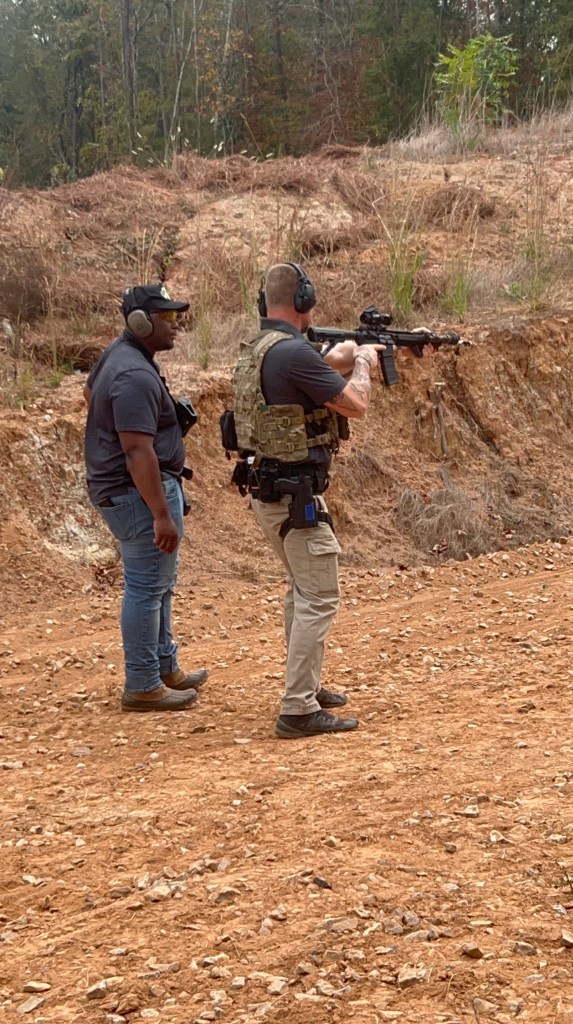
Body Armor Basics
When it comes to personal protection, understanding body armor is essential. Whether you’re a civilian, a private security contractor, or part of law enforcement, the right armor can make a significant difference in your safety. In this guide, we’ll delve into the different types of body armor, their ratings, and how to choose the best option for your needs.
Understanding Body Armor Ratings
Body armor is classified into various levels by the National Institute of Justice (NIJ). These levels indicate the armor’s ability to withstand different types of ballistic threats. The current standards are undergoing updates, with new ratings expected to be implemented in 2025 (HG and RF numbers). It should also be understood that the following list is a generality and if the specific stopping capabilities are desired they can be find on the NIJ’s website. For now, the traditional levels include:
- Level IIA: Protects against small pistol calibers, but is largely considered obsolete.
- Level II (HG1): Offers protection against lower-velocity threats
- Level IIIA (HG2): The most common soft armor, designed to stop higher-velocity pistol rounds.
- Level III (RF1, RF2): Designed to protect against rifle threats.
- Level IV (RF3): Provides protection against some armor-piercing ammunition and larger rifle rounds.
Soft Armor: The Preferred Choice for Civilians
Soft armor, particularly Level IIIA, is not necessarily the most popular choice for civilians, but we argue it is the most useful. It is lightweight, concealable, and offers adequate protection against common threats. This type of armor is typically made from materials like Kevlar, which is flexible and comfortable to wear. Here’s why soft armor is often recommended:
- Concealability: Soft armor can easily be worn under clothing, making it ideal for everyday situations.
- Comfort: The flexibility of the materials allows for extended wear without discomfort.
- Cost-Effectiveness: Soft armor is generally more affordable than hard armor options.
Spike Ratings
When selecting soft armor, it’s crucial to consider spike ratings as well. These ratings indicate the armor’s resistance to knife attacks:
- Level 1 Spike Rating: Stops 85% of knife attacks.
- Level 2 Spike Rating: Stops 90% of knife attacks. (This rating is not commonly sold and most armor will be levels 1 or 3.)
- Level 3 Spike Rating: Stops 96% of knife attacks.
Most civilians will find Level IIIA armor with a Level 1 spike rating sufficient, typically costing around $600. Higher-rated armor, such as Level IIIA (HG2) with a Level 3 spike rating, can run between $1600 and $1800.
Hard Armor: When You Need More Protection
Hard armor, rated as Level IV, is designed to protect against rifle calibers such as 7.62mm and 5.56mm. While it offers superior protection, there are trade-offs:
- Weight: Hard armor is significantly heavier than soft armor, which can be cumbersome for extended wear.
- Concealability: Due to its bulk, hard armor is not effectively concealable and is less practical for everyday use.
- Single Impact Rating: Ceramic plates, a common type of hard armor, are typically rated for a single impact, while steel plates can withstand multiple hits.
Choosing the Right Body Armor
So, how do you determine which type of armor is right for you? Consider the following factors:
1. Assess Your Threat Environment
Evaluate the most likely scenarios where you may need protection. For most civilians, soft armor is adequate for situations like civil unrest or natural disasters. Hard armor may be more suited for those in high-risk professions.
2. Practical Usage
Think about how you’ll be using the armor. If you need to wear it for extended periods, comfort and weight are critical factors. Soft armor is generally easier to wear for long durations.
3. Cost Considerations
While hard armor provides greater protection, it typically comes at a higher price. Weigh the benefits against your budget and needs. For most civilians, investing in quality soft armor is a smarter financial decision.
4. Reputable Manufacturers
When selecting armor, consider reputable manufacturers. Safe Life is frequently recommended for quality soft armor options. Always ensure the armor meets NIJ standards for reliability.
Conclusion
In summary, understanding the differences between soft and hard armor is crucial for making an informed decision about your personal protection. For most civilians, soft armor offers the best balance of protection, comfort, and cost-effectiveness. Assess your needs, consider your environment, and choose wisely to ensure you have the right protection when it matters most.
Frequently Asked Questions
Is it legal to own body armor?
Yes, in most places, it is legal for civilians to own body armor, though some states may have specific regulations.
How often should body armor be replaced?
Most manufacturers recommend replacing body armor every 5 to 10 years, depending on the level of wear and maintenance. Though light occasional wear would likely never need replacing.
Can body armor be worn discreetly?
Yes, soft body armor is designed to be worn under clothing, making it a practical choice for discreet protection.
What should I look for in a body armor provider?
Look for reputable companies that provide NIJ-certified products and have positive reviews from users.
 Timberline Security Solutions
Leave a comment